High Quality Products
ISO 9001 Certified
40+ Years Experience
Fast & Friendly Service
Home » News
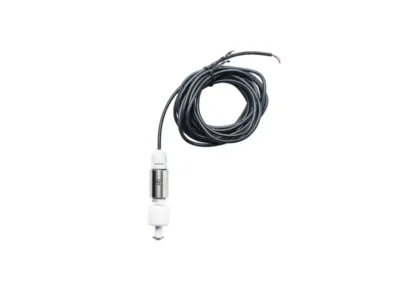
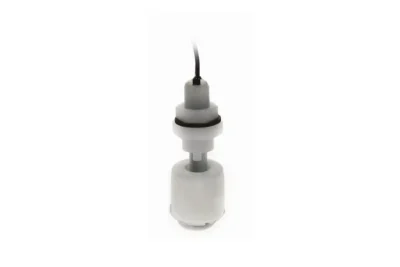
A fire sprinkler flow switch detects water in the sprinkler system piping and triggers the fire alarm control panel when activated. Residential fire sprinkler systems require annual inspection and servicing under BS9251:2021, with automatic weekly testing of the pump set.
Key points summary:
Ignoring or neglecting any aspect of fire safety is a matter of life and death. Fire safety is a non-negotiable priority and fire protection systems like sprinklers must be carefully assessed to ensure they remain in perfect working order.
Legislation for fire safety in the UK is undergoing a substantial change in 2025, with the introduction of new regulations and measures that affect building managers, facilities directors and safety professionals sector-wide.
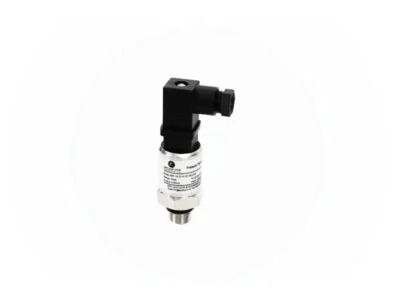
A pressure transducer works by measuring the pressure of liquids or gases and converting it into a proportional electrical signal.
A pressure sensor is an electronic device that detects and measures the force of gases or liquids applied to a surface, and converts these changes into an electrical signal that correlates to the pressure applied.
An air flow sensor measures the amount of air entering a system, typically to alert an electric controller should the flow rate dip below a specific predetermined level.
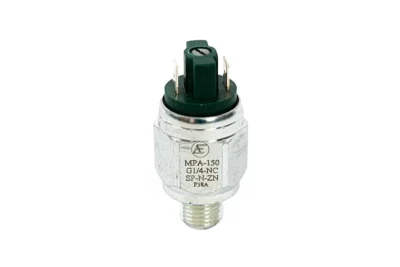
A pressure switch utilises and monitors pressure within a system and provides electrical feedback to activate a physical mechanism that opens or closes. Upon detecting pressure changes and when it reaches a certain level, the switch can either activate or deactivate connected equipment, such as compressors, pumps, or valves.
Yes, you should use a fire sprinkler. Implementing a fire sprinkler system is a critical safety measure for both residential and commercial properties due to its life-saving benefits.
Fire sprinklers work by detecting a localised increase in heat, which activates isolated sprinklers and water is released. Every sprinkler head contains a heat-sensitive element, such as a fusible link or a glass bulb filled with liquid alcohol, which reacts to heat by melting or breaking, thereby triggering the water release.
A solenoid valve uses an electromagnet to control the opening/closing mechanism of an orifice inside a valve body. This, in turn, regulates the flow of liquids or gases.
Commercial and industrial building managers have the unenviable task of ensuring the proper control of multiple critical functions. The flow of liquids and gases, in particular, is a vital operational necessity that building managers must regularly inspect and validate.