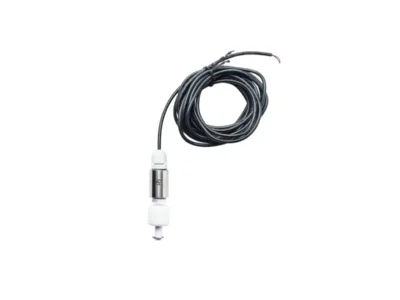
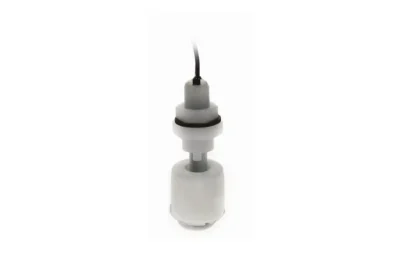
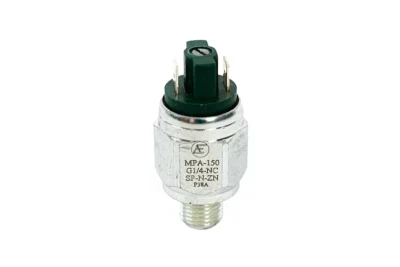
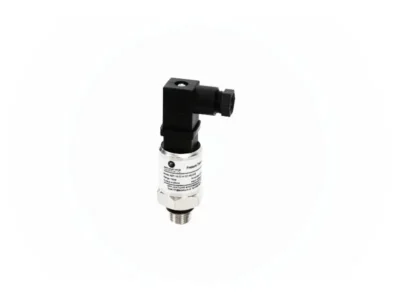
A pressure switch that keeps switching on and off isn’t necessarily faulty. Repeated switching can be caused by fluctuating system pressure, unsuitable switching settings, an incorrect switching differential or problems with connected equipment. Identifying the cause is important before adjusting or replacing the switch.
Pressure switches are used in a wide range of industrial applications, from water pumping systems to compressors and hydraulic equipment. They respond to changes in pressure, providing electrical signals that help control machinery and monitor operating conditions.
While regular switching is part of their normal operation, unexpected or frequent switching can indicate a problem that needs investigating.
If you’re unfamiliar with the basics, our guide to how a pressure switch works explains how these devices respond to changes in pressure and provide electrical feedback to connected equipment.
So, why does a pressure switch keep switching on and off, and how can you tell whether the switch itself is responsible?
What Is Pressure Switch Chatter and Why Does It Happen?
Pressure switch chatter occurs when electrical contacts repeatedly change state over a short period, rather than switching cleanly at the intended pressure.
This is different from short cycling, which generally describes equipment such as pumps or compressors starting and stopping too frequently.
For example, a pressure switch in a water pumping system may signal for the pump to stop when pressure reaches an upper limit and restart when pressure falls to a lower limit. This is normal operation.
However, if the pump starts and stops almost immediately, or the switch contacts repeatedly change state, further investigation may be necessary.
Understanding whether the issue is caused by the pressure switch or the wider system is the first step towards resolving it.
6 Common Causes of a Pressure Switch Switching On and Off
There are several reasons why a pressure switch might operate more frequently than expected. Some relate to its switching characteristics, while others involve the equipment it monitors.
- Fluctuating System Pressure
One common cause of repeated pressure switch operation is unstable system pressure.
Pressure fluctuations can occur when pumps start, compressors operate or valves open and close. If these changes repeatedly cross the switch’s operating and reset pressures, the switch may continue changing state.
For example, a pressure switch monitoring a compressed air system may activate repeatedly if pressure fluctuates around its switching thresholds.
In this situation, the switch could be responding correctly to the pressure changes. The cause of those fluctuations needs investigating before deciding whether the switch requires attention.
- Unsuitable Pressure Switch Setpoints
A pressure switch’s setpoint is the pressure at which it is designed or adjusted to change state.
If the setpoint is unsuitable for the system’s operating conditions, relatively small pressure changes may trigger frequent switching.
For example, a switching point positioned too close to the normal operating pressure could cause repeated activation as pressure fluctuates.
Before considering adjustments, check the equipment’s required operating pressures and the manufacturer’s specifications.
Some pressure switches have adjustable setpoints, while others are factory-set. Any adjustment must be permitted by the manufacturer and appropriate for the equipment.
- An Unsuitable Switching Differential
The switching differential, also known as hysteresis, is the difference between the pressure at which a switch changes state and the pressure at which it resets.
This difference helps prevent the switch from immediately changing back when pressure fluctuates around its operating point.
For example, in a pump-control application, a pressure switch might change state when pressure rises to 6 bar, signalling the control system to stop the pump. It could then reset when pressure falls to 5 bar, allowing the pump to restart.
The switching differential in this example is 1 bar. These figures are illustrative and are not recommended settings for a particular installation.
If the differential is too narrow for the application’s normal pressure fluctuations, unwanted cycling may occur.
However, not all pressure switches have an adjustable differential. Some have a fixed differential determined by the manufacturer, so always refer to the relevant product specification.
- Problems With Connected Equipment
Sometimes, a pressure switch is functioning correctly but responding to problems elsewhere in the system.
Potential causes include:
- Leaks that allow system pressure to fall unexpectedly.
- Problems with pressure vessels or accumulators.
- Pumps or compressors cycling more frequently than intended.
- Valves causing sudden pressure changes.
- Restrictions affecting pressure within the system.
For example, a problem with a pump system’s pressure vessel could contribute to frequent starts and stops even when the pressure switch is operating correctly.
Investigating the wider system can help establish whether repeated switching is a symptom of another issue.
- Problems With the Pressure Sensing Connection
The location and condition of a pressure switch’s sensing connection can also affect how it responds.
Restrictions, blockages or pressure pulsations at the connection may affect the pressure experienced by the switch.
It’s worth remembering that pressure measured at one point in a system may differ from pressure at another location, particularly while equipment is operating.
Engineers may therefore need to compare measurements at appropriate points when investigating inconsistent switching.
- Electrical Faults or Component Wear
Mechanical pressure switches contain components that may deteriorate over time, particularly when exposed to repeated operation or unsuitable conditions.
Worn contacts, damaged sensing components or faults within the switching mechanism can affect reliable operation.
Electrical problems, including damaged wiring, loose connections or faults in connected control equipment, may also contribute to unexpected switching.
If the switch appears to change state while system pressure remains stable, further investigation may be required.
However, brief pressure fluctuations may not be visible on a conventional gauge, so a stable reading alone doesn’t confirm that the switch is faulty.
How to Troubleshoot a Pressure Switch That Keeps Cycling
If your pressure switch is operating more frequently than expected, a systematic approach can help identify the cause.
Rather than immediately adjusting or replacing the switch, consider the following checks.
- Establish whether the cycling is abnormal. Compare the switching frequency with the equipment’s intended operating cycle. Regular switching does not automatically indicate a fault.
- Check the system pressure. Use suitable existing pressure indications or approved monitoring equipment to establish whether pressure is fluctuating around the switching thresholds. Remember that pressure at the switch may differ from readings taken elsewhere.
- Review the operating and reset pressures. Check whether the switching settings are appropriate for the equipment and within the manufacturer’s specified limits.
- Consider the switching differential. Establish whether the differential is fixed or adjustable and whether it is suitable for the application’s normal pressure variations.
- Investigate connected equipment. Look for signs of leaks, abnormal pump operation, pressure vessel problems or other causes of unexpected pressure changes.
- Arrange further technical inspection where necessary. If pressure behaviour doesn’t explain the switching, a competent technician may need to investigate the sensing connection, electrical circuit or internal switch components.
What Do the Results Tell You?
The relationship between system pressure and the switch’s electrical output can help narrow down the problem.
If pressure repeatedly crosses the switch’s operating and reset points, the cause may involve pressure fluctuations, switching settings or connected equipment.
If the switch changes state while measured pressure appears stable, further investigation of the sensing connection, electrical contacts or control circuit may be needed.
It’s important to remember that conventional pressure gauges may not reveal brief pressure fluctuations. Further measurements may therefore be necessary before reaching a conclusion.
Pressure gauges can also be affected by vibration, temperature and pressure pulsation. Our article on common causes of pressure gauge damage explains these issues in more detail.
Safety note: Observing an existing pressure indication during normal operation is different from opening, adjusting or disconnecting equipment. Intrusive inspection must follow the manufacturer’s instructions and appropriate isolation and depressurisation procedures. Electrical testing should only be undertaken by competent personnel, and safety-critical controls must not be bypassed.
How Do You Know If a Pressure Switch Is Faulty?
Repeated switching alone doesn’t confirm that a pressure switch is defective.
A mechanical pressure switch may need replacing if its contacts are damaged, its sensing mechanism has deteriorated or it no longer changes state consistently at the pressures specified by the manufacturer.
Electronic pressure switches may require different diagnostic checks depending on their design.
If the switch is responding correctly to genuine pressure changes, replacing it may leave the underlying problem unresolved.
Where a switch forms part of a safety-critical system, inspection and replacement should follow the manufacturer’s instructions and approved maintenance procedures.
Choosing the Right Replacement Pressure Switch
Once you’ve established what’s causing the repeated switching, it’s important to ensure that any replacement is suitable for your application.
At Applications Engineering, we supply a wide range of industrial pressure switches for monitoring and control applications.
When selecting a replacement, there are several important specifications to consider:
- Operating pressure: The normal pressure range, required switching point and maximum expected system pressure.
- Switching differential: The difference between operating and reset pressures, including whether adjustment is required.
- Electrical requirements: The contact arrangement or output type and electrical ratings needed for connected equipment.
- Pressure connection: The appropriate connection type and thread size.
- Material compatibility: Whether the materials in contact with the fluid are suitable for the application.
- Operating conditions: Temperature, vibration and other relevant environmental factors.
Selecting a pressure switch that meets the required specifications can help support reliable operation and reduce the risk of an unsuitable replacement.
For more information about the available configurations, take a look at our guide to the different types of pressure switches.
You can also explore our introduction to SPDT switches to learn more about electrical contact arrangements.
Need Help Choosing a Pressure Switch?
If your pressure switch keeps switching on and off, identifying the cause is an important step before selecting a replacement.
At Applications Engineering, we supply a wide range of pressure switches for industrial and commercial applications. Whether you’re replacing an existing switch or specifying a component for new equipment, our team can help you identify a suitable product based on your operating pressure, electrical requirements and installation conditions.
Browse our range of pressure switches or contact our team on 01825 764737 to discuss your requirements.
Share This Post