ATEX certification is a commonly used shorthand for the conformity requirements that apply to equipment intended for defined potentially explosive atmospheres. Depending on the equipment category and conformity route, this may involve manufacturer self-declaration or independent third-party conformity assessment. It does not mean that every ATEX-marked product is suitable for every hazardous area.
When choosing a switch or sensor, you need to consider both the hazardous-area requirements and the normal product specification. This includes the zone, gas or dust atmosphere, protection method and temperature requirements, as well as the pressure, flow, level or temperature range, materials, connections and electrical output.
If you are specifying a switch or sensor for a hazardous area, seeing ATEX on the product is important, but it is only part of the selection process.
The equipment still needs to be suitable for the exact environment and operating conditions in which it will be installed. A product may be suitable for one zone or type of explosive atmosphere, but not another.
What Does ATEX Certification Mean?
ATEX is the term commonly used for European requirements relating to equipment and workplaces where potentially explosive atmospheres may occur.
For switches, sensors and other electrical equipment, ATEX requirements are designed to reduce the risk of the product becoming an ignition source.
The important point when specifying equipment is that ATEX is not a general approval for use in any hazardous area. The product’s marking, declaration and, where applicable, certification identify the specific conditions for which it has been assessed.
Why Does ATEX Matter for Switches and Sensors?
Pressure, flow, level and temperature devices are often fitted directly to tanks, pipework, pumps and process machinery.
In a standard industrial environment, the main considerations might be:
- What range does the device need to measure?
- What materials are suitable for the process medium?
- What connection is required?
- What electrical output or switching arrangement is needed?
For pressure applications, our guide to how a pressure switch works explains the underlying switching principle.
In a hazardous area, there is another important consideration.
The product must also be suitable for the explosive atmosphere in which it will operate.
This means there are effectively two parts to selecting the right product:
Process suitability: Can the switch or sensor perform the job required by the application?
Hazardous-area suitability: Is that exact product configuration suitable for the zone and atmosphere where it will be installed?
Both need to be correct.
What Are ATEX Zones?
Hazardous areas are classified according to how frequently an explosive atmosphere is expected to occur and how long it may remain present. HSE guidance on hazardous-area definitions sets out the zone classifications used for gases, vapours, mists and combustible dusts.
For gases, vapours and mists, the main classifications are:
Zone 0
An explosive atmosphere is present continuously, frequently or for long periods.
Zone 1
An explosive atmosphere is likely to occur occasionally during normal operation.
Zone 2
An explosive atmosphere is unlikely to occur during normal operation and, if it does occur, is normally present only for a short period.
Combustible dust environments use corresponding classifications of Zones 20, 21 and 22.
The zone should be established as part of the site’s hazardous-area assessment. It should not be assumed simply because a particular process or material is involved.
For someone purchasing a switch or sensor, knowing the zone is therefore one of the first pieces of information needed.
How Do You Read ATEX and Ex Markings?
ATEX and Ex markings contain information about the environment in which a product has been assessed for use.
Depending on the product, the marking can identify details such as:
- equipment group and category
- whether the atmosphere involves gas or dust
- the type of explosion protection
- gas or dust group
- temperature class or maximum surface temperature
- any additional conditions affecting installation or use
The HSE technical standards guidance covers recognised protection concepts including intrinsic safety, flameproof enclosures and increased safety.
This is why it is important to look at the full product specification rather than simply checking whether the word ‘ATEX’ appears on the datasheet.
Two products can both meet ATEX requirements while being designed for very different hazardous environments.
Does ATEX Mean Intrinsically Safe?
No. Intrinsic safety is one method of explosion protection, but it is not another term for ATEX conformity.
An intrinsically safe circuit limits the available electrical energy so that it cannot create an effective ignition source under the conditions covered by the design.
Other protection methods can also be used for hazardous-area equipment.
Applications Engineering supplies intrinsically safe ATEX options within parts of its flow switch range and level switch range, alongside products using other forms of hazardous-area protection.
The right approach depends on the installation, so the protection method should always be checked against the site’s requirements.
Five Things to Check Before Choosing an ATEX Switch or Sensor
Getting the ATEX specification right is important, but it should not distract from the normal engineering requirements of the product.
Before choosing a switch or sensor, check the following.
1. What is the hazardous-area classification?
Confirm the zone and whether the risk involves gas, vapour, mist or combustible dust.
You may also need information about the relevant gas or dust group and temperature requirements.
2. What does the device need to monitor?
Establish whether you need pressure, flow, level or temperature monitoring.
You should also know the required:
- operating range
- switching point
- measurement range
- accuracy, where relevant
An ATEX-marked product still needs to perform correctly within the process itself.
3. What electrical function is required?
Check the required contact arrangement, output signal, supply and switching load.
If the system uses intrinsic safety, the wider circuit design may also require compatible equipment such as a barrier or isolator.
4. Are the materials and connections suitable?
The product needs to be compatible with the actual application.
Consider factors including:
- process medium
- wetted materials
- operating temperature
- operating pressure
- thread or flange type
- enclosure
- ingress protection
For example, a level switch may be correctly certified for the hazardous area but still be unsuitable if its materials are not compatible with the liquid being monitored. For more on these process considerations, see our guide to choosing the right level switch for your tank.
5. Does the certification apply to the exact product version?
This is an easy point to overlook.
A product range may be available with several different options, but that does not automatically mean every configuration carries the same hazardous-area conformity assessment or certification.
Check the exact:
- model
- materials
- electrical configuration
- declaration or certification
- conditions of use
If there is any doubt, confirm the specification before ordering.
What Does ATEX Mean for Equipment Used in Great Britain?
ATEX remains a widely recognised term throughout UK industry.
For equipment being placed on the market in Great Britain, equipment intended for use in potentially explosive atmospheres is covered by the Equipment and Protective Systems Intended for Use in Potentially Explosive Atmospheres Regulations 2016.
Depending on the applicable conformity route, qualifying products may use CE or UKCA marking in Great Britain.
For buyers and engineers, the practical point is to check the actual conformity marking, Ex marking, declaration, certification where applicable, and manufacturer documentation for the product being specified.
The presence of an ATEX description on its own should not replace those checks.
ATEX Switches and Sensors from Applications Engineering
Applications Engineering has supplied mechanical switches and sensors since 1983 and offers hazardous-area options across several areas of its product range.
These include:
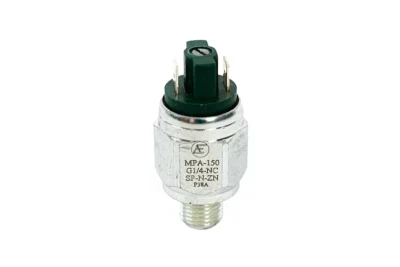
ATEX pressure products
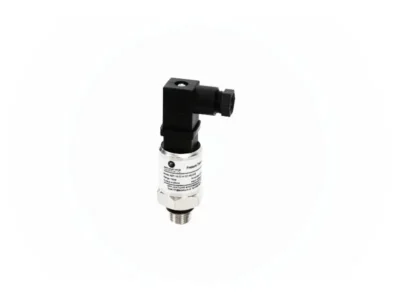
The AET-D ATEX Pressure Transducer is available across a number of pressure ranges for applications requiring hazardous-area pressure measurement.
ATEX flow switches
Our flow switch range includes several intrinsically safe ATEX-compliant models designed for industrial flow monitoring applications.
ATEX level switches
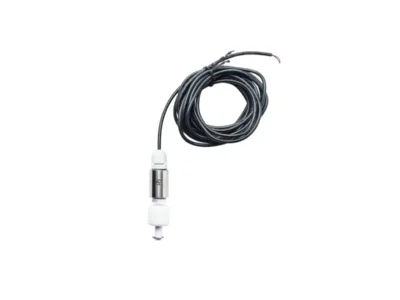
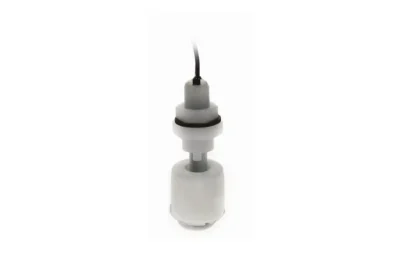
Our level switch range includes intrinsically safe models for applications where liquid level needs to be monitored within a hazardous area.
When selecting any of these products, the best starting point is to provide both the hazardous-area information and the normal process requirements.
That allows the available options to be assessed against the actual application rather than choosing a product simply because it is described as ATEX compliant.
Frequently Asked Questions
Is an ATEX-certified sensor suitable for every hazardous area?
No. The product’s equipment category, protection method, atmosphere type, temperature requirements and other conformity or certification conditions must be suitable for the installation.
Is Zone 1 more hazardous than Zone 2?
Zone 1 indicates that an explosive atmosphere is more likely to occur during normal operation than in Zone 2. Zone classification describes the likelihood and duration of an explosive atmosphere; it does not, by itself, describe every aspect of the overall risk.
Do combustible dusts come under ATEX?
Yes. Potentially explosive atmospheres can be caused by combustible dusts as well as gases, vapours and mists. Dust environments use Zones 20, 21 and 22.
Is every ATEX product intrinsically safe?
No. Intrinsic safety is one type of explosion protection. ATEX-compliant equipment can use several different protection methods depending on its design and intended application.
What information should I provide when asking for an ATEX switch or sensor?
Where possible, provide:
- the hazardous-area zone
- gas or dust classification
- type of switch or sensor required
- operating or measurement range
- electrical requirements
- process connection
- medium being monitored
- required materials
- environmental conditions
- any conformity or certification requirements already specified for the installation.
Providing this information from the outset makes it much easier to identify suitable options.
Need Help Selecting an ATEX Switch or Sensor?
Choosing hazardous-area instrumentation means matching the conformity requirements to the installation while also making sure the device is right for the process.
If you already know the hazardous-area classification and application requirements but are unsure which switch or sensor is suitable, speak to the Applications Engineering team. We can help you narrow down the available options and check the relevant product specifications.
Hazardous-area equipment selection, installation and maintenance are safety-critical. Final decisions should always follow the site’s current hazardous-area assessment, product declaration or certification, and manufacturer instructions, with competent specialist input where required.
Share This Post