As the colder months approach, building owners and facilities managers across the UK must turn their attention to an often-overlooked aspect of building safety: preparing their fire sprinkler systems for winter.
Proper fire sprinkler maintenance and preparation are crucial to ensure these life-saving systems remain operational during freezing temperatures.
At Applications Engineering, we understand the importance of keeping your fire sprinkler equipment in top condition year-round. Let’s explore the essential steps for winterising your commercial fire sprinkler system.
Understanding the Risks of Cold Weather
Frozen water in fire sprinkler systems can cause significant damage to equipment, including fire pumps, sprinkler tanks, valves, pipework, fittings, and sprinkler heads.
More critically, it can render the entire sprinkler system inoperable, compromising the safety of your building and its occupants. Arrangements should be made to ensure that there is no danger of any sprinkler component freezing, and while this may be easier to pinpoint in some areas, others may prove more challenging to check.
Key Areas to Check
- Exposed areas: Pay special attention to external loading canopies, unheated loading docks, and stores.
- Intermittently heated spaces: Buildings that are normally heated but may not be during shutdown periods or holidays require closer inspection.
- Unheated ceiling voids: These areas are particularly vulnerable to freezing temperatures.
- Areas near openings: Sprinklers adjacent to delivery doors, hatches, or louvres need extra protection.
Regardless of the season, regular fire protection system maintenance is vital. Ensure your system continues to be maintained in accordance with BS EN 12845: 2015 + A1: 2019 and the LPC Rules for Automatic Sprinkler Installations 2015.
Types of Fire Sprinkler Systems that Need Extra Maintenance During the Winter
- Wet Pipe Systems: These systems, permanently charged with water, require careful monitoring of ambient temperatures.
- Dry Pipe Systems: While less susceptible to freezing, ensure air compressors are installed properly and remain in good working order.
- Alternate Wet and Dry Pipe Systems: If your building uses this older system type, plan for the autumn changeover from water to air.
- Pre-Action Systems: Check both the air charge and the associated detection system.
- Tail End Systems (also known as Subsidiary Pipe Systems): Pay extra attention to these extensions in unheated areas.
Key Fire Sprinkler Winterisation Steps
- Trace Heating Systems
- Ensure all trace heating is operational, conducting weekly checks as per TB 203.2.2.6.
- Verify that duplicate heating elements are in place and functioning.
- Have a qualified specialist contractor check all electrical components, including overload devices and RCDs.
- Inspect and replace damaged or worn sprinkler pipework.
- Ensure all lagging meets current Euroclass requirements.
- Enclosures
- Check that valve sets and pump enclosures have adequate, automatic heating.
- Verify thermostat settings and operation.
- Confirm that louvres are suitable and operate correctly.
- Sprinkler Pumphouse
- Maintain temperatures of at least 4°C for electric pump houses and 10°C for diesel pump houses.
- Tanks
- Test tank immersion heaters to prevent ball valve freezing.
- Check that supply and suction pipework are adequately protected.
- Drain the pump test return pipework to prevent freezing.
- System Drainage
- Thoroughly drain wet pipe, alternate, and tail-end air systems before winter.
- Inspect pipework for damage or improper drainage slopes.
- Air Compressors
- Service and check all air compressors for dry, alternate, and pre-action systems.
- Underground Pipehouse
- Verify that all underground pipes are at least 750mm below the surface.
In summary
- Review potential consequences of freezing weather lasting several months.
- Ensure staff are trained and available for routine weekly testing.
- Plan for safe water discharge during testing to avoid ice formation.
- Stock adequate supplies of spare parts.
Applications Engineering: Your Partner in Fire Sprinkler System Protection
While we don’t handle installations, Applications Engineering provides a comprehensive range of high-quality fire sprinkler system components crucial for effective winterisation, including:
- Dual Port Residential Valve Sets
- Ball Valves & Monitors
- Priority Demand Valves
- Pump Set Products
- Check Valves & Strainers
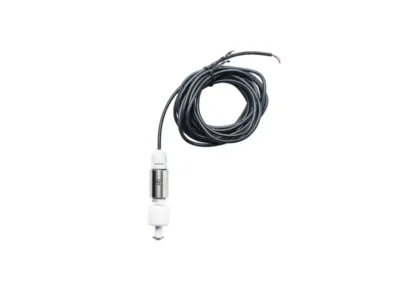
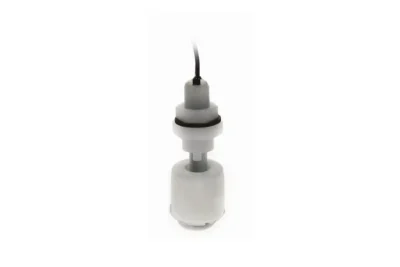
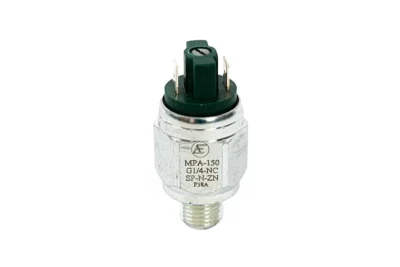
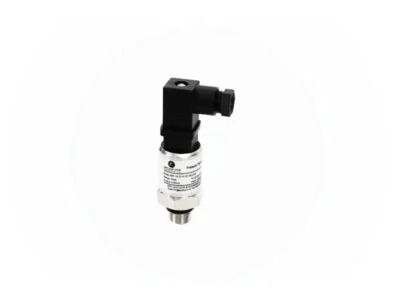
- Fire Sprinkler Flow, Level and Pressure Switches
- Pressure Control Valves
- Butterfly and Gate Valves
- Solenoid Valves
- CPVC Fittings & Adaptors
- Metal Fittings
Our products are designed to meet the stringent requirements of UK fire protection standards and can significantly enhance the winter resilience of your sprinkler system.
Ready to Upgrade Your Fire Sprinkler System for Winter?
Contact Applications Engineering today to discuss how our high-quality components can improve the winter readiness of your fire sprinkler system. Our team of experts is ready to provide guidance on the best products for your specific needs, ensuring your system remains operational no matter how cold it gets.